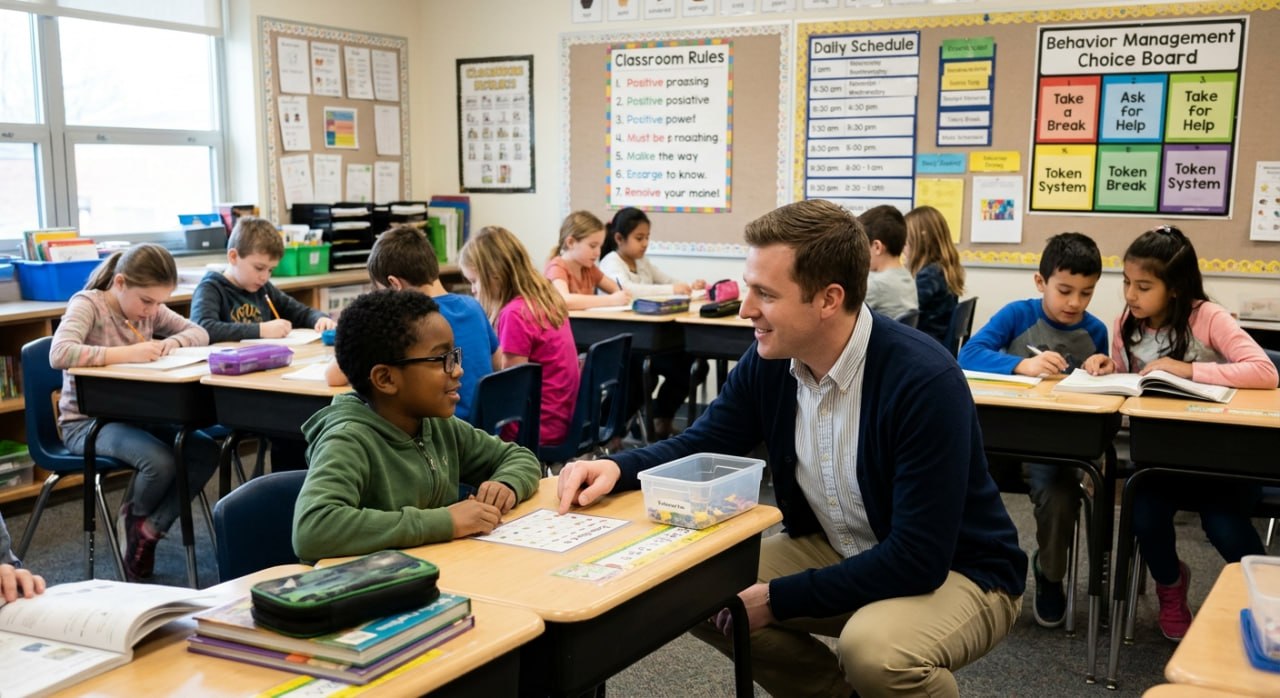
Managing a classroom can be one of the most rewarding yet challenging responsibilities for any teacher. Every student has a different personality, learning style, emotional background, and level of engagement. While some students follow instructions easily, others may struggle with concentration, discipline, communication, or classroom expectations. These challenges can sometimes disrupt lessons and affect the learning environment. However, with patience, consistency, and the right approach, teachers can create a positive classroom where every student feels respected and supported.
Understanding classroom management strategies for difficult students is essential for building a productive learning environment. Instead of focusing only on correcting unwanted behavior, teachers should try to understand the reasons behind it. A student who frequently interrupts lessons may be seeking attention, experiencing frustration, or struggling with a particular subject. Recognizing these underlying causes helps teachers respond more effectively and develop meaningful connections with their students.
1. Build Positive Relationships with Students
A strong teacher-student relationship is the foundation of effective classroom management. Students are generally more willing to cooperate when they feel that their teachers respect, understand, and value them. Take time to learn about students' interests, strengths, and individual challenges. Greeting them warmly, listening to their concerns, and acknowledging their efforts can make a significant difference.
Teachers should also avoid labeling students as troublemakers. Negative labels can damage confidence and make students feel disconnected from the classroom. Instead, focus on encouraging positive changes and recognizing individual progress.
2. Establish Clear Classroom Rules and Expectations
Students need to understand what behavior is expected of them. Establishing simple, clear, and age-appropriate classroom rules can prevent many common discipline problems. Explain these expectations at the beginning of the school year and regularly remind students about them.
Whenever possible, involve students in creating classroom rules. This gives them a sense of responsibility and encourages cooperation. Rules should be applied consistently so that students understand the consequences of their choices. Fairness and consistency help establish trust between teachers and learners.
3. Use Positive Reinforcement
Positive reinforcement is an effective way to encourage appropriate classroom behavior. Rather than focusing entirely on mistakes, teachers should recognize students when they demonstrate improvement, cooperation, or responsibility.
Simple methods include verbal praise, positive feedback, achievement certificates, and classroom recognition. For example, when a student who usually interrupts others waits patiently for their turn, acknowledging that behavior can motivate them to repeat it.
However, rewards should not become the only reason students behave appropriately. Teachers should gradually encourage internal motivation, helping students understand why respect, responsibility, and cooperation matter.
4. Maintain Calm and Consistent Communication
Dealing with challenging behavior can sometimes be frustrating, but reacting angrily may make situations worse. Teachers should maintain a calm tone, use respectful language, and avoid embarrassing students in front of their classmates.
When a student behaves inappropriately, address the issue privately whenever possible. Explain what happened, why the behavior was problematic, and what the student can do differently next time. Asking open-ended questions can also help students express their feelings and understand their actions.
5. Make Lessons Interactive and Engaging
Boredom and lack of participation can contribute to classroom disruptions. Teachers can reduce these problems by making lessons more interesting through group activities, educational games, discussions, demonstrations, and practical exercises.
Breaking lengthy lessons into smaller activities can also help students maintain attention. Providing opportunities for movement and collaboration allows learners with different learning preferences to participate more comfortably.
6. Understand Individual Student Needs
Not every student responds to the same classroom management technique. Some may need additional academic support, while others may benefit from emotional encouragement or more structured instructions.
Teachers should observe behavior patterns and identify situations that commonly lead to difficulties. When necessary, communicating with parents, school counselors, and other educational professionals can help provide appropriate support.
Conclusion
Effective classroom management requires patience, understanding, consistency, and flexibility. Difficult behavior should be treated as an opportunity to understand students better rather than simply as a problem that needs punishment. By building positive relationships, establishing clear expectations, encouraging good behavior, and creating engaging lessons, teachers can develop a supportive learning environment. Ultimately, every student deserves an opportunity to learn, grow, and succeed in the classroom.