Trying a new creative activity can be a refreshing way to spend your free time, and pottery offers a wonderful opportunity to learn something practical while expressing your imagination. From shaping a small bowl to creating a personalized cup, working with clay allows you to turn simple materials into objects that reflect your own ideas. You do not need to be naturally artistic to enjoy the process; patience and a willingness to experiment are often all you need.
For anyone curious about ceramics, beginner pottery classes Austin provide an approachable introduction to this rewarding craft. Guided sessions help newcomers understand basic techniques, become familiar with studio equipment, and learn how to handle clay comfortably. Whether you want to explore a new hobby, enjoy a creative outing with friends, or simply try something different, your first pottery class can be an enjoyable place to begin.
Choosing the Right Beginner Pottery Class
Before booking a session, consider what you want to learn. Some classes focus on hand-building, while others introduce students to the pottery wheel. If you have never worked with clay, look for a workshop that welcomes beginners and provides clear demonstrations.
A short introductory class is a good option if you want to experience pottery without making a long-term commitment. If you hope to develop your skills gradually, a series of lessons may give you more opportunities to practice.
Check the class duration, cost, group size, and included materials before making a decision. A suitable class should match your interests and allow enough time to become familiar with the techniques.
Start With Simple Hand-Building Techniques
Hand-building is one of the easiest ways to become familiar with clay. Instead of using a rotating wheel, you shape the material with your hands and basic tools.
Pinching involves pressing clay between your fingers to create small vessels. Coiling uses rolled strands of clay to build larger forms, while slab construction involves flattening clay and joining pieces together.
These techniques can be used to make bowls, small plates, decorative objects, and other creative projects. They also help beginners understand how clay responds to pressure and why careful joining and smoothing are important.
An instructor can demonstrate each method and offer suggestions as you work. Starting with a simple project helps you focus on learning the basics without feeling overwhelmed.
Discover the Pottery Wheel
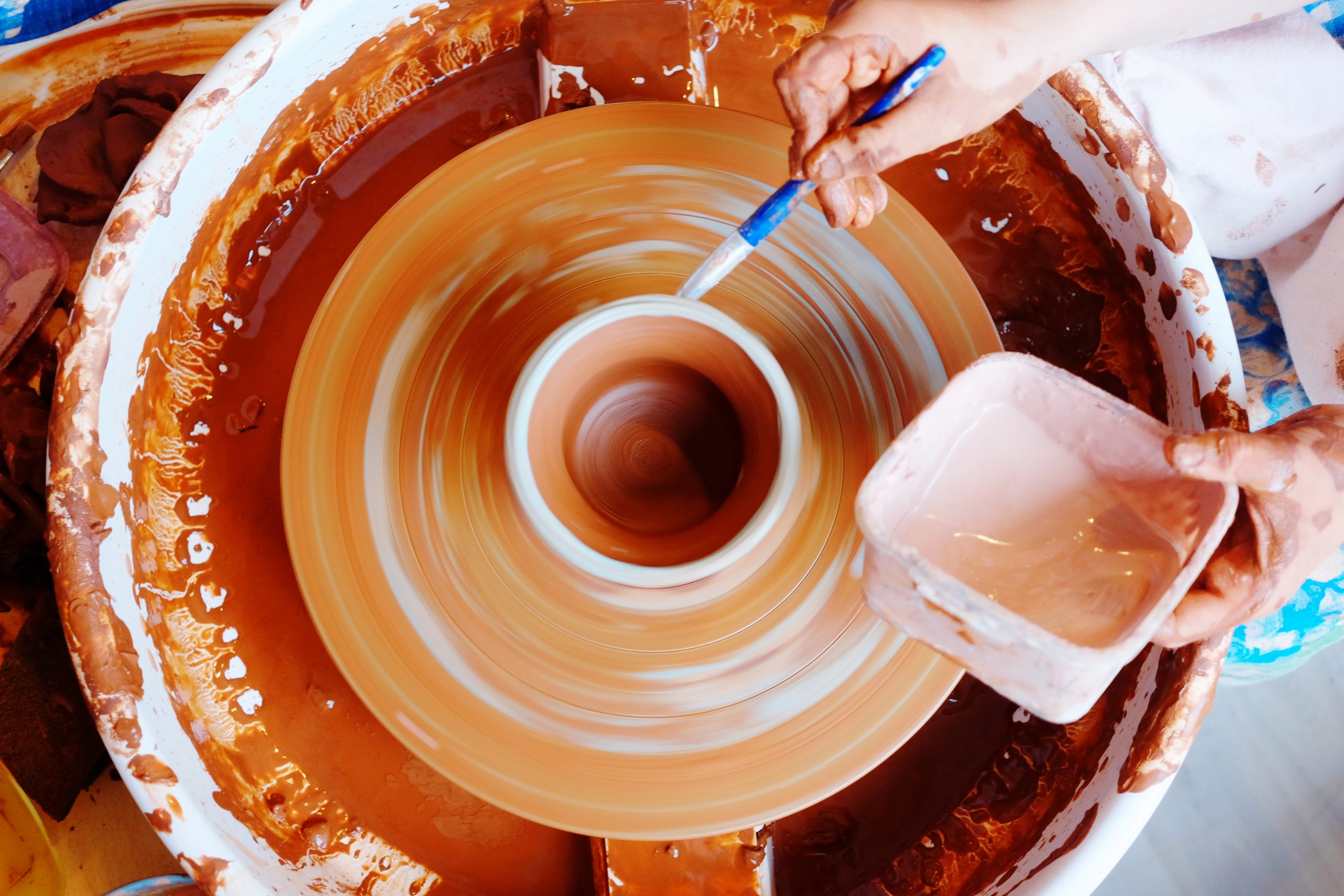
If you want to try something more challenging, consider a beginner class that introduces wheel throwing. This technique involves shaping clay while it spins on a pottery wheel.
The first step is centering the clay so that it rotates evenly. You then open the center and gradually raise the walls to form a bowl, cup, or similar object.
The movements may feel unfamiliar during your first attempt, but that is completely normal. Controlling the clay requires steady hands, consistent pressure, and practice. Following your instructor's guidance can help you understand each stage.
Remember that your first piece does not need to look perfect. The experience is about learning, experimenting, and discovering how the material responds to your movements.
What Should You Bring to Your First Class?
Most introductory pottery workshops provide clay, tools, and the equipment needed for the session. However, checking the studio's instructions beforehand is always a good idea.
Wear comfortable clothing that you do not mind getting dirty. Keeping your nails relatively short can also make it easier to shape clay without leaving unwanted marks.
Arriving a little early gives you time to settle in and become familiar with the studio. Listen to demonstrations, ask questions, and take your time when practicing unfamiliar techniques.
Understand the Finishing Process
After shaping your project, you may need to wait before seeing the finished result. Clay generally needs to dry before it can be trimmed and fired in a kiln. Glazing may follow to add color, texture, and a finished surface.
These steps often happen after the class, so you might not be able to take your creation home immediately. Ask whether glazing and firing are included in the fee and when finished pieces will be ready for collection.
Understanding the full process helps you appreciate the craftsmanship behind everyday ceramic objects.
Begin Your Pottery Journey in Austin
Learning pottery is a chance to explore creativity, develop patience, and enjoy making something with your own hands. With beginner-friendly instruction, you can gradually build confidence and discover which techniques you enjoy most.
Choose a class that suits your interests, approach the experience with curiosity, and give yourself permission to make mistakes. Your first pottery session in Austin could be the beginning of a fulfilling hobby that inspires many more creative projects. Austin Pottery Wheel Lessons: Learn to Shape Clay With Confidence
#Pottery #ThingsToDoInAustin